Why Walk?
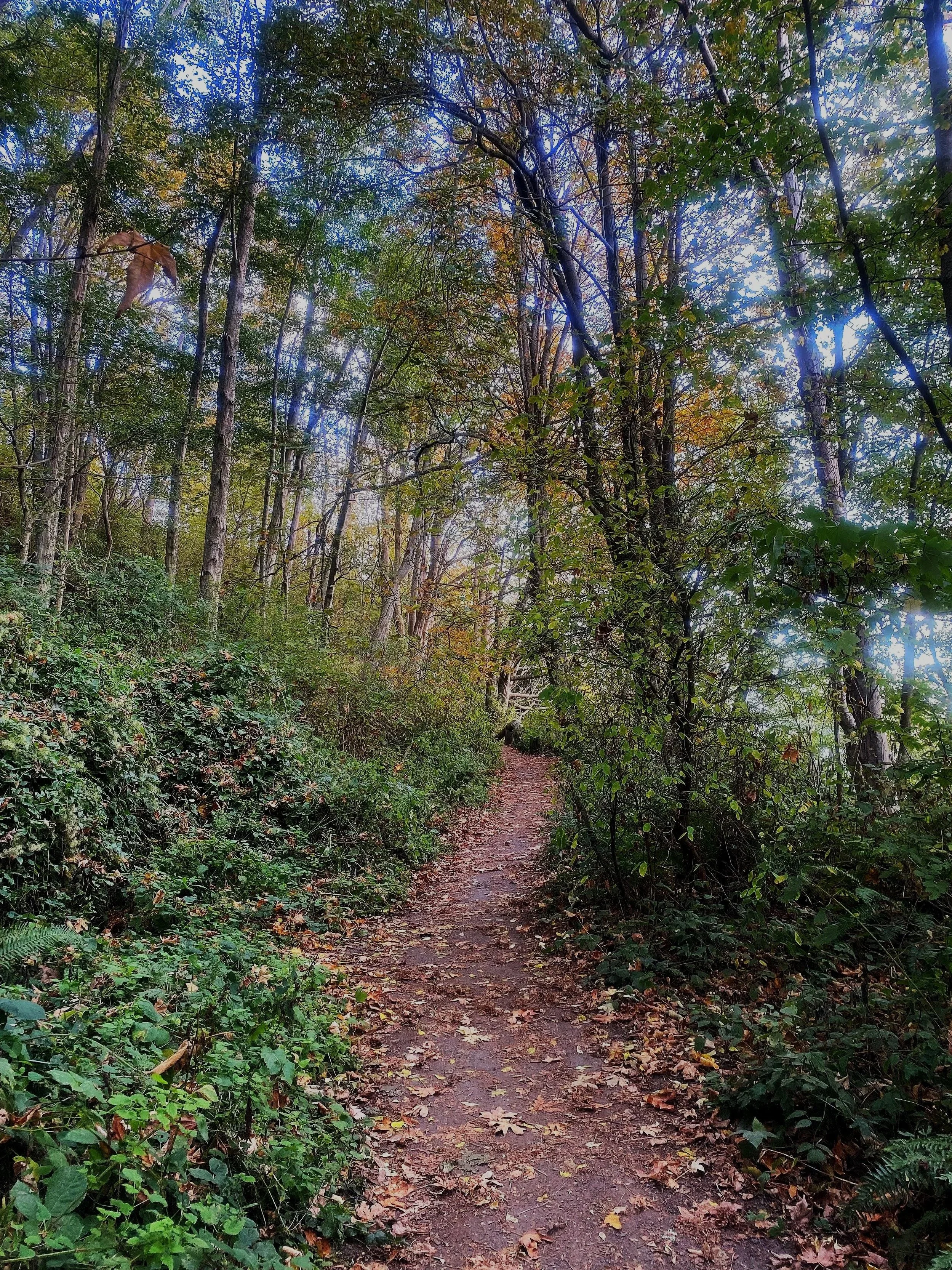
Walk and talk therapy offers a more grounded, less clinical approach to counseling. Slow paced movement can help regulate your nervous system, reduce anxiety, and create space for your thoughts to unfold more naturally. Being outdoors adds a sense of calm, clarity, and connection to yourself and the world around you. Many people find that they’re able to access insights more easily and feel more like themselves compared to traditional therapy settings.
What the Research Says
Walk and talk therapy is a growing evidence-informed approach that blends conversation, movement, and nature. This approach supports both your mind and nervous system, making therapy feel more accessible and sustainable.
This approach might be a good fit if you:
Feel more comfortable talking while moving
Prefer a less traditional or clinical therapy setting
Enjoy being outdoors
Want therapy to feel more integrated into real life
Are looking for a space where you can show up as your full, authentic self